Your body constantly sends signals about your health. Some changes are completely harmless, while others may indicate that something deserves medical attention.
The challenge is knowing which signs should not be ignored. Here are seven changes worth paying attention to.
1. Cracks at the Corners of Your Mouth
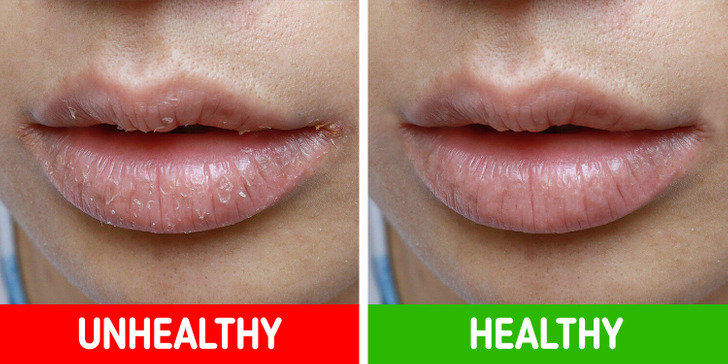
Small cracks, redness, or painful sores around the corners of your lips can develop for several reasons. Dry weather, saliva irritation, fungal or bacterial infections, and certain nutritional deficiencies may contribute.
If the problem keeps returning or refuses to heal, a healthcare professional can help identify the underlying cause.
2. Frequent Muscle Twitching
Occasional muscle twitching is common and usually harmless. Stress, tiredness, caffeine, intense exercise, and dehydration can all contribute.
However, persistent twitching accompanied by muscle weakness, stiffness, or loss of muscle size deserves medical evaluation. Although uncommon, certain neurological conditions can cause these symptoms.
3. Unusual Changes in Your Skin and Hands
Changes in skin texture, dryness, and elasticity can happen for many reasons, including aging, environmental exposure, and dehydration.
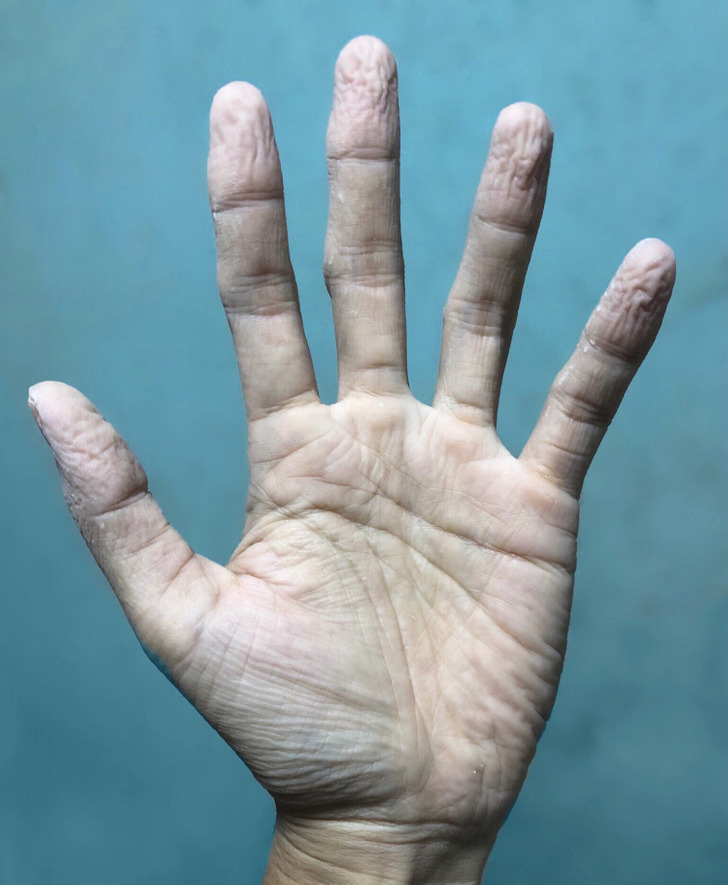
If you notice sudden or persistent changes that cannot be explained by your usual routine, especially alongside other symptoms, consider discussing them with a healthcare professional.
4. Constant Thirst, Even After Drinking Water
Feeling thirsty occasionally is normal, particularly after exercise or during hot weather.
However, excessive thirst that continues throughout the day, especially when accompanied by frequent urination, unusual tiredness, or blurred vision, can be associated with elevated blood sugar levels.
Diabetes is one possible explanation, and a blood glucose test can help determine whether further evaluation is needed.
5. Persistent Redness, Itching, or Skin Rashes
Red and itchy skin can result from allergies, eczema, insect bites, or contact with irritating substances.
Some rashes, however, are associated with infections or other medical conditions. A rash accompanied by fever should not automatically be dismissed as ordinary skin irritation.
Seek medical advice if it spreads, becomes painful, develops blisters, or does not improve. A rapidly spreading rash with fever or feeling very unwell requires prompt medical attention.
6. Swollen Ankles and Feet
Swelling around the ankles can happen after standing for long periods, sitting for hours, eating salty foods, or during pregnancy.
But recurring or unexplained swelling may sometimes be associated with problems involving the veins, heart, kidneys, or liver.
If swelling persists, increases, or affects both legs regularly, arrange a medical assessment. Sudden swelling in one leg, especially with pain or redness, needs urgent evaluation. Swelling accompanied by chest pain or difficulty breathing requires emergency care.
7. Painful Sores Inside Your Mouth
Small painful ulcers inside the mouth are relatively common. Stress, minor injuries, hormonal changes, and nutritional deficiencies, including vitamin B12 deficiency, may contribute.
Most ordinary mouth ulcers heal on their own within one or two weeks.
However, sores that last longer than three weeks, repeatedly return, become unusually large, or make eating and drinking difficult should be examined by a healthcare professional.
Your Body’s Signals Deserve Attention
Not every unusual symptom means something serious is happening. Many have simple explanations and can resolve without treatment.
What matters is recognizing changes that persist, worsen, or appear alongside other symptoms.
Rather than trying to diagnose yourself, pay attention to your body and seek professional advice when something doesn’t seem right.
Early evaluation can help identify potential problems and provide peace of mind.