A wealthy elderly widow made an unexpected decision before her death: she chose to leave her estate to the neighbors who had become an important part of her daily life.
The decision would eventually lead to a legal battle that reached the Supreme Court.
The woman lived in Point Piper, an affluent suburb of Sydney, Australia. She had no children, and according to evidence presented in court, she was not particularly close to her nieces and nephews.
For years, the couple living next door had been more than just people sharing a property boundary with her. They helped with everyday tasks, including taking out the rubbish and assisting with practical needs around the house.
Their relationship grew especially important during a difficult period in her later life.
In 2004, the elderly woman was admitted to hospital with a serious bowel condition. During this period, concerns arose about her ability to manage her personal and financial affairs. A tribunal appointed guardians and a financial manager.
After returning home, she disagreed with decisions that had been made about her finances and living arrangements. Court records also showed that she had received financial assistance from her neighbors during this difficult period.
In 2005, she made a new will, replacing an earlier one that had named a relative as the main beneficiary. Under the new document, her remaining estate was to go to her neighbors.
When she died in September 2009 at the age of 95, her estate was valued at more than 12.5 million Australian dollars.
Her relatives challenged the later will. They argued that she had not been mentally capable of making that decision and questioned whether the document should be accepted.
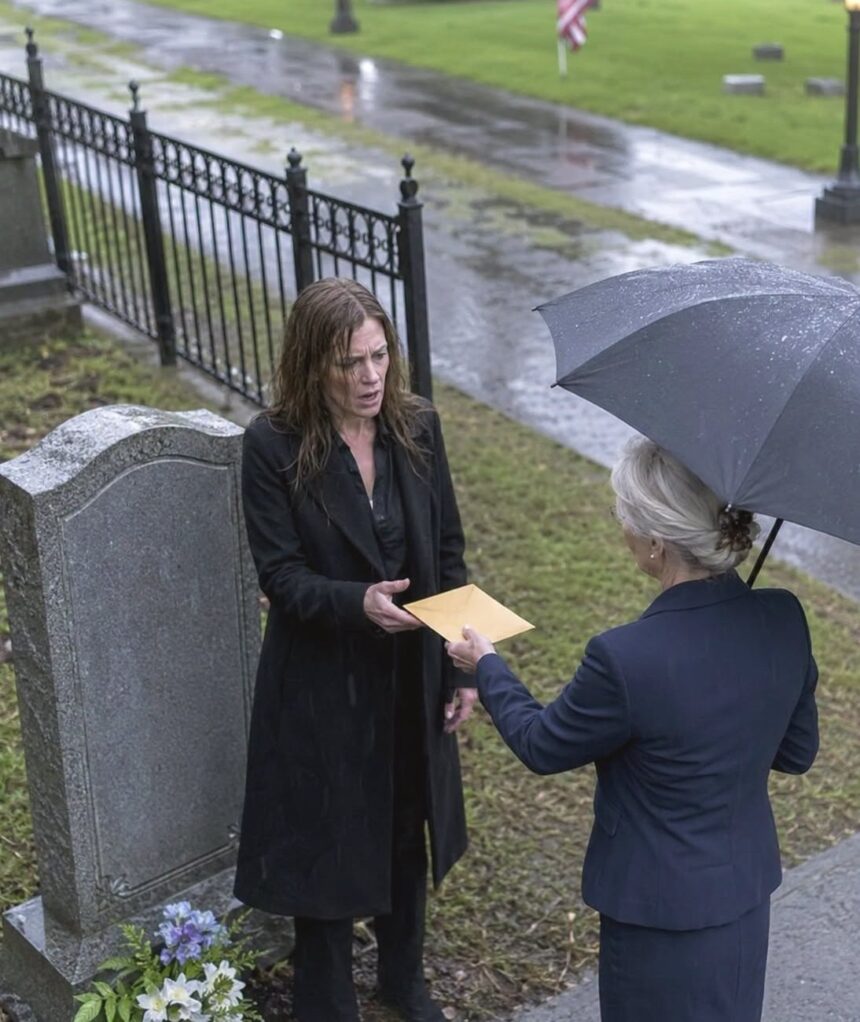
The dispute required the court to examine medical opinions, legal documents, witness evidence and the circumstances surrounding the change of will.
On November 27, 2012, the Supreme Court of New South Wales ruled that the woman had the legal capacity to make the new will. The court accepted the later document, allowing the estate to pass to the surviving neighbor named in it.
The case became a striking example of how relationships built through everyday kindness can become deeply meaningful — and how a person’s final wishes can lead to a complicated legal dispute.
It was not a story about a mysterious letter or a hidden DNA result. It was a real court case about an elderly woman’s choices, the people she trusted, and the legal fight over what she left behind.