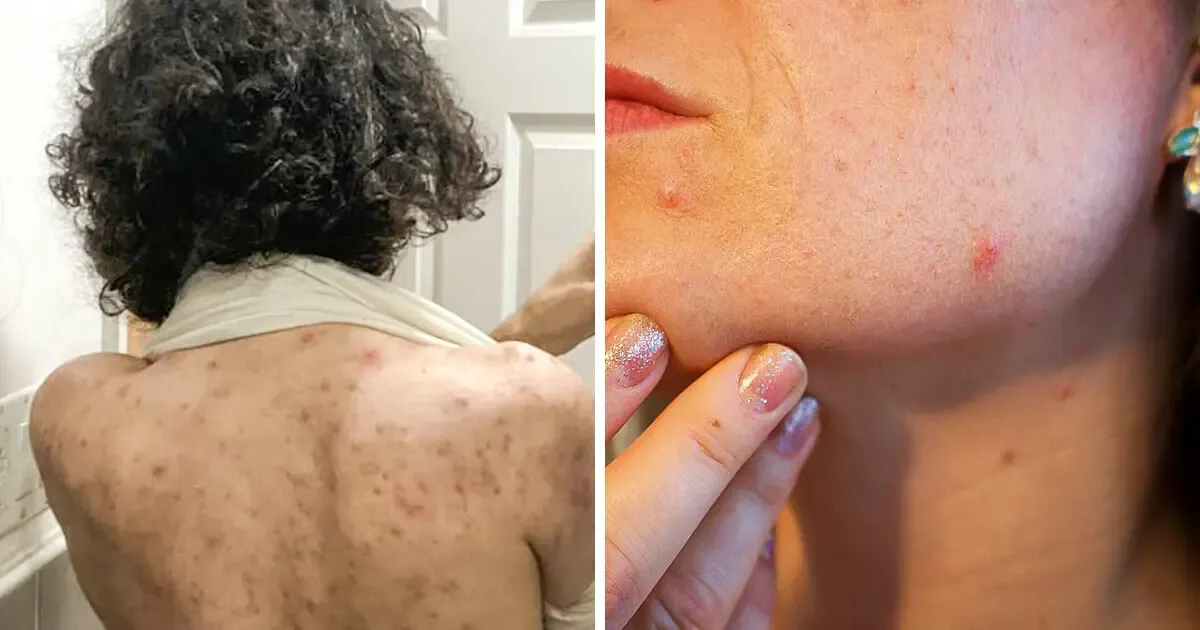
What Acne in Different Areas of the Body Can Tell You
Acne is not just a skin problem. Everyday habits, hormonal changes, sweat, and skincare products can all contribute to breakouts. The location of acne may offer clues about possible triggers, helping you understand what changes could improve your skin.
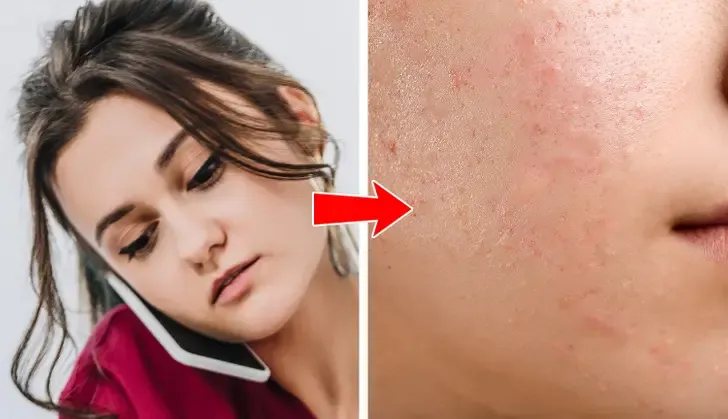
1. Acne on the Cheeks
Cheek acne can be linked to everyday objects that come into contact with your face, especially mobile phones and pillowcases. These surfaces can collect oil, dirt, and bacteria that may contribute to clogged pores.
To help prevent breakouts, clean your phone regularly and change your pillowcase at least once a week. Hormones can also play a role, so persistent acne may require additional treatment.
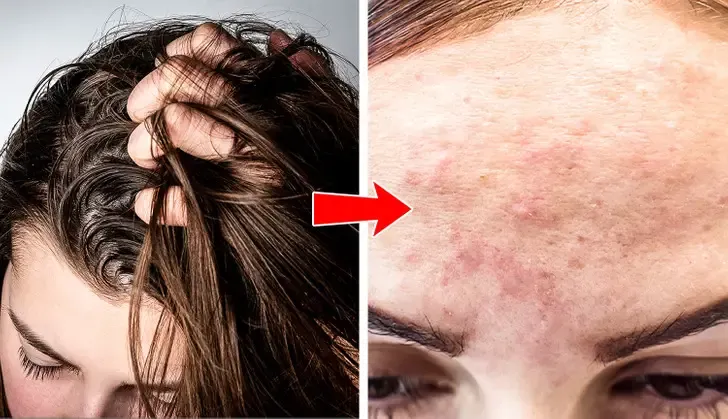
2. Acne on the Forehead
Forehead acne is often associated with excess oil. Oily hair, bangs, and styling products such as gels, waxes, and pomades can transfer oil to the skin and clog pores.
Use a gentle cleanser and choose lightweight hair products that do not leave residue around your hairline. Keeping your hair away from your forehead may also help reduce irritation and breakouts.
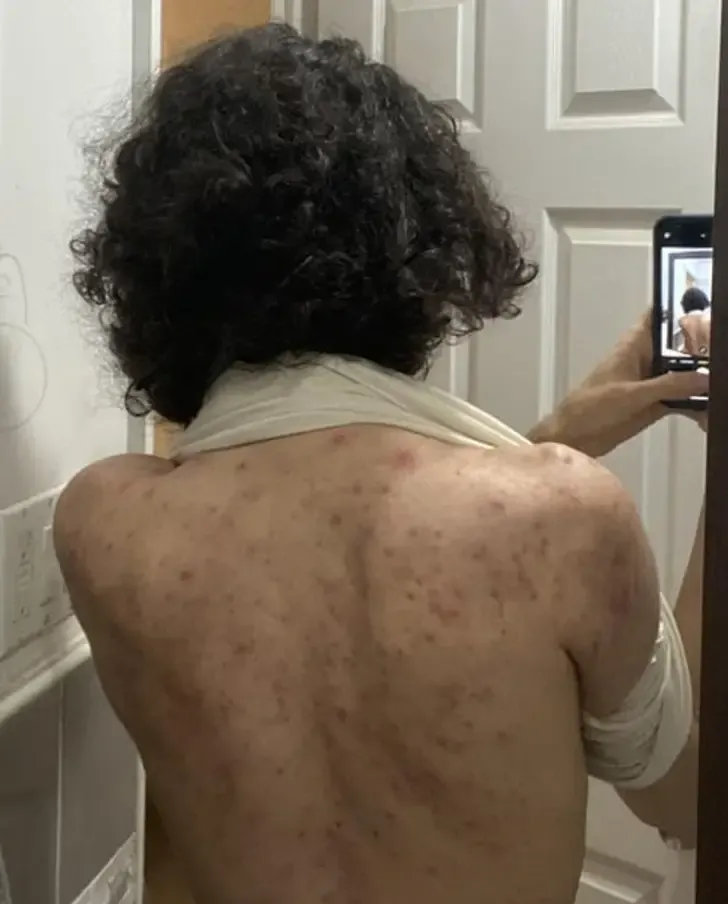
3. Acne on the Back
Back acne can develop when sweat, oil, and dead skin cells accumulate on the skin. Heavy moisturizers, certain sunscreens, tight clothing, and unwashed workout clothes may make the problem worse.
Shower after exercising, change out of sweaty clothes, and wear breathable fabrics. If breakouts continue despite these changes, consider consulting a dermatologist to identify the cause and find the right treatment.
4. Acne on the Nose
The nose naturally produces more oil than some other areas of the face, making it more prone to clogged pores and pimples. Inconsistent cleansing and excess sebum can contribute to breakouts.
Wash your face gently and avoid harsh scrubbing, which can irritate the skin. If acne is persistent or severe, a dermatologist can recommend suitable treatments based on your skin type.
5. Acne Around the Mouth
Breakouts around the mouth may be caused by irritation, cosmetics, or repeated contact with objects such as phones, helmet straps, and musical instruments. Hormonal changes and certain skincare products may also contribute.
Choose oil-free, non-comedogenic products and cleanse your face daily with a gentle cleanser. If the bumps keep returning, seek professional advice, as some conditions around the mouth can resemble acne but require different treatment.
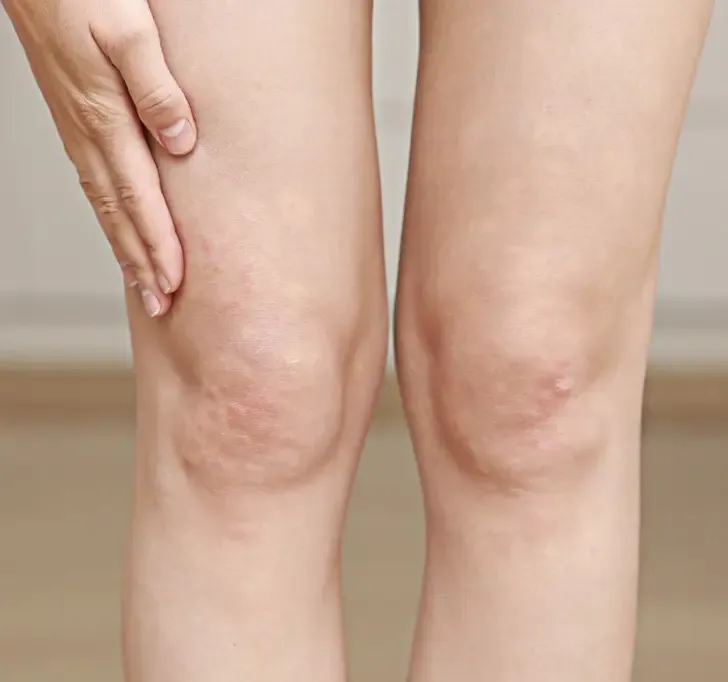
6. Acne on the Legs
Pimples on the legs can develop when dead skin cells, oil, and bacteria become trapped in hair follicles. Tight clothing, sportswear, and repeated friction may increase irritation.
However, not every bump on the legs is acne. Conditions such as folliculitis, eczema, and keratosis pilaris can look similar. If the bumps are painful, itchy, or persistent, consult a healthcare professional for an accurate diagnosis.
7. Acne on the Jawline and Neck
Acne around the jawline and neck is often associated with hormonal changes, particularly fluctuations in androgen levels. These changes can increase oil production and contribute to clogged pores.
Hormonal fluctuations during the menstrual cycle and certain medications may influence breakouts. A consistent skincare routine, non-comedogenic moisturizer, and appropriate acne treatment can help. If the acne is severe or persistent, a dermatologist can assess whether hormonal factors may be involved.
8. Acne on the Shoulders
Shoulder acne often develops when excess oil, dead skin cells, and other debris block pores. Sweat and friction from backpack straps, collars, or tight clothing can make breakouts worse.
Wear loose, breathable clothing, shower after sweating, and avoid heavy products that may clog pores. Using sunscreen that is suitable for acne-prone skin can also help protect the area without adding unnecessary oil.
Final Thoughts
Acne can have different causes depending on the area where it appears. While everyday habits such as washing pillowcases, cleaning phones, and avoiding irritating products can help, the location of a breakout does not always reveal its exact cause.
The best approach is to maintain a consistent skincare routine, identify possible triggers, and seek professional advice if acne becomes painful, severe, or persistent. Small changes in daily habits may help reduce breakouts and support healthier skin.