Why Your Skin Can Look Completely Different From One Day to the Next
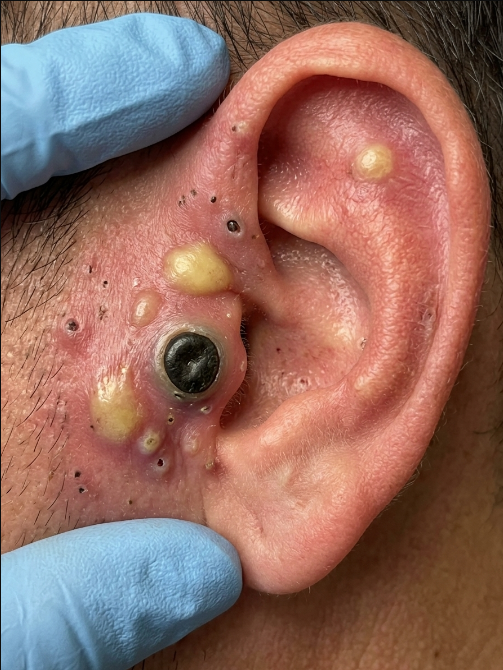
Have you ever looked in the mirror one morning and wondered why your skin suddenly looks nothing like it did the day before?
A few unexpected bumps, patches of redness, dry areas, or a rough texture can make an ordinary morning feel frustrating. Although these changes may seem to happen overnight, the reasons behind them can be connected to several everyday factors.
Dermatologists recognize that the skin is constantly responding to its surroundings. Weather conditions, skincare ingredients, environmental exposure, and changes in daily habits can all influence how the skin looks and feels.
1. Your skincare products may be contributing to the problem
One commonly overlooked factor is the skincare routine itself.
Introducing several new products within a short period can make it difficult to identify which ingredient your skin tolerates and which might be causing irritation.
Certain fragrances, preservatives, and active ingredients can trigger unwanted reactions in some individuals. These reactions may include itching, redness, swelling, or uncomfortable dryness.
The American Academy of Dermatology recommends testing new skincare products on a small area of skin before adding them to a regular routine.
2. Your skin’s protective barrier needs attention
Your skin has a natural protective barrier that helps retain moisture and protect against external irritants.
When this barrier becomes irritated or damaged, the skin may feel tight, rough, flaky, or unusually sensitive.
Frequent washing, hot showers, harsh cleansers, and excessive exfoliation can contribute to dryness and discomfort.
A gentle cleanser and a suitable moisturizer can help support the skin’s natural protective function.
3. Changes in weather can affect your complexion
Cold air, indoor heating, low humidity, and strong sun exposure can influence the condition of your skin.
For example, dry environmental conditions may make existing dryness more noticeable, while heat and sweating can contribute to discomfort for some people.
Adjusting your skincare routine according to the season can help maintain a more comfortable complexion.
4. Sometimes, less skincare is a better approach
Many people assume that adding more products will automatically improve their skin.
However, constantly switching between cleansers, exfoliants, serums, and treatments can make it harder to understand what is causing a reaction.
A simpler routine is often a sensible starting point:
- Use a gentle cleanser.
- Apply a moisturizer appropriate for your skin.
- Wear broad-spectrum SPF 30 or higher during the day.
- Avoid scrubbing or picking at irritated areas.
- Introduce new skincare products gradually.
5. Know when a skin change needs professional attention
Not every sudden skin change is caused by skincare products or environmental conditions.
Some changes may be associated with allergic reactions, infections, eczema, or other medical conditions.
A rash that spreads quickly, becomes painful, develops blisters, or appears alongside a fever should be medically assessed.
Swelling of the lips or eyes, or difficulty breathing or swallowing, can indicate a serious allergic reaction and requires emergency medical attention.
The bottom line
Your skin does not always look the same from one day to another, and small changes do not automatically mean something is seriously wrong.
Instead of immediately buying multiple new products, pay attention to recent changes in your routine, protect your skin from unnecessary irritation, and give it consistent care.
If unusual changes continue or become concerning, a dermatologist can help identify the cause and recommend appropriate treatment.
Healthy-looking skin is not about using the most products. It is about understanding what your skin needs and treating it with care.